

How to Choose a Tattoo Artist in San Antonio: Beyond the Basics for a Lasting Piece
- Final Touch Tattoo
- Jan 28
- 5 min read

Choosing a tattoo artist in San Antonio means looking past the surface. This guide dives into the less-talked-about but crucial aspects of getting a tattoo, helping you make a truly informed decision. We’ll cover why design longevity, artist specialization, skin tone considerations, and in-person consultations are non-negotiable for a tattoo you’ll love for years.

Author: Moses Castillo - Moses has been a tattoo artist in San Antonio for the last 24 years. Working by himself and at some of the largest Tattoo Shops San Antonio offers. He has been a cornerstone of the tattoo community for the better part of a quarter century.
Understanding Tattoo Design & Longevity
A great tattoo isn't just about how it looks fresh; it's about how it ages. The best artists understand that skin is a living canvas that changes over time.
Why Negative Space Matters for Your Tattoo's Future
When you’re planning a tattoo, especially a detailed one, it’s easy to want every tiny element packed in. However, an experienced artist will tell you that too much detail in a small area will muddle together over time. As your skin naturally stretches and tightens, details can bleed into each other, turning intricate artwork into an indistinguishable blur. A skilled artist knows how to use ample negative space—the untouched skin around the design—to allow the tattoo to breathe and expand gracefully over the years. This foresight ensures your design remains clear and impactful, rather than becoming a blurry mess.

Tattoo Placement: The Reality of High-Exfoliation Areas

Some parts of your body are simply not ideal for long-lasting tattoos without significant upkeep. High exfoliating areas, like the hands and feet, are constantly exposed to friction, washing, and natural skin regeneration. Tattoos in these spots will wear off over time, fading and blurring much faster than tattoos on less exposed areas. Getting a tattoo in these areas requires a commitment for life to keep it looking good, often needing frequent touch-ups. Be prepared for this reality and discuss it thoroughly with your artist.
Matching Your Vision with the Right Artist
Finding an artist isn't just about finding a good one; it's about finding the right one for your specific idea.
Artist Specialization: Beyond a General Portfolio
It’s a common misconception that any good tattoo artist can do any style. While there is some crossover in technique, not all artists can execute every specific tattoo style at a high level. An artist who excels at vibrant traditional tattoos might not be the best choice for a delicate fine-line piece, and a master of realism might struggle with abstract geometric designs. When reviewing portfolios, look for variability and consistency in the style you want. Just because an artist is highly skilled at what they do, doesn't mean they are skilled at what you want. Don't settle for an artist whose portfolio doesn't clearly showcase the style you're after.
Skin Tone and Color Choices: A Critical Consideration
The way a tattoo looks is heavily influenced by your skin tone. Lighter skin tones often have the advantage of making almost any color or style pop. However, darker skin tones require a more nuanced approach. Certain colors may not appear as vibrant, and fine details can get lost without careful planning. A truly professional artist understands the complexities of working with diverse skin tones and can advise you on the best color palettes, saturation levels, and design choices that will complement your complexion and ensure your tattoo looks its best. Don't hesitate to ask artists about their experience tattooing on various skin tones.

The Critical Role of Consultation & Anatomy
For complex work, an in-person meeting is non-negotiable. Requesting a quote with only images, for a large piece, will result in a "wide range" quote. Something like $600-$1,200. The reason being is that a tattoo can be as simple as all line work or full saturated realism with framing, blening and gradients, and anywhere in between. An in-person consultation will allow the artist to see the canvas, shape of anatomy and understand what is possible and how much work will need to be done. This is when you can receive an accurate price.
We aren't saying this is right or how it should be - If you get an exact price over DM's or email, and it ends up being too cheap for the artist, they will either try and renegotiate or do the tattoo begrudgingly, which will almost innevitably lower the quality of the tattoo, as the artist will most likely rush the piece.
Happy artist = better work.
Anatomy-Based Design: Why In-Person Consultations are Essential
Speaking of consultations - Every tattoo, especially larger pieces like sleeves or back pieces, is anatomy-based. The way a design flows with your body's natural curves and musculature is crucial for a tattoo that looks cohesive and dynamic. For this reason, an artist will always need to see you in person for larger sleeve work for tattoos. They need to assess your body shape, muscle movement, and skin elasticity to properly design and stencil the piece. Anything less than an in-person consultation for significant work is cutting corners on the process. If an artist is willing to skip this vital step, it raises a serious question: what else are they cutting corners on?
Conversely, this is also true for a piercer. Not everyone can get a navel, industrial, septum piercing, among others, due to anatomy. Not everyone has enough skin for a navel. Not everyone has the proper ear fold for an industrial. Not everyone has enough gap for a septum piercing. The list goes on... When looking for the best piercing shop San Antonio offers, make sure the piercer is more concerned about how well the piercing will go, and not how quick or cheap they can get you in that chair.
The Reality of Cover-Up Tattoos
Cover-ups are an art form all their own, requiring a specific understanding of ink and illusion.
Cover-Ups: Tricking the Eye, Not Hiding the Past
The term "cover-up" can be misleading. An artist doesn't actually "cover" an old tattoo in the sense of painting over it to make it disappear. Instead, they are responsible for tricking the eyes with more ink in the same layer. This means strategically designing a new tattoo that incorporates or cleverly disguises the old one, making it visually disappear into the new artwork. Successful cover-ups often require heavy saturation and very little negative space, depending on what needs covering. The goal is to draw the eye to the new design, making the old one fade into the background. Be realistic about what’s possible and trust your artist’s expertise in this specialized area.

Conclusion
Choosing the right tattoo artist in San Antonio means looking beyond the initial appeal and understanding the deeper considerations that impact your tattoo's longevity and appearance. By focusing on an artist's understanding of design evolution, their specialization, their approach to different skin tones, the necessity of in-person consultations, and the realities of cover-up work, you can make a truly informed decision. Take your time, ask the right questions, and choose an artist who demonstrates a comprehensive understanding of their craft and your unique needs. Your skin deserves nothing less.

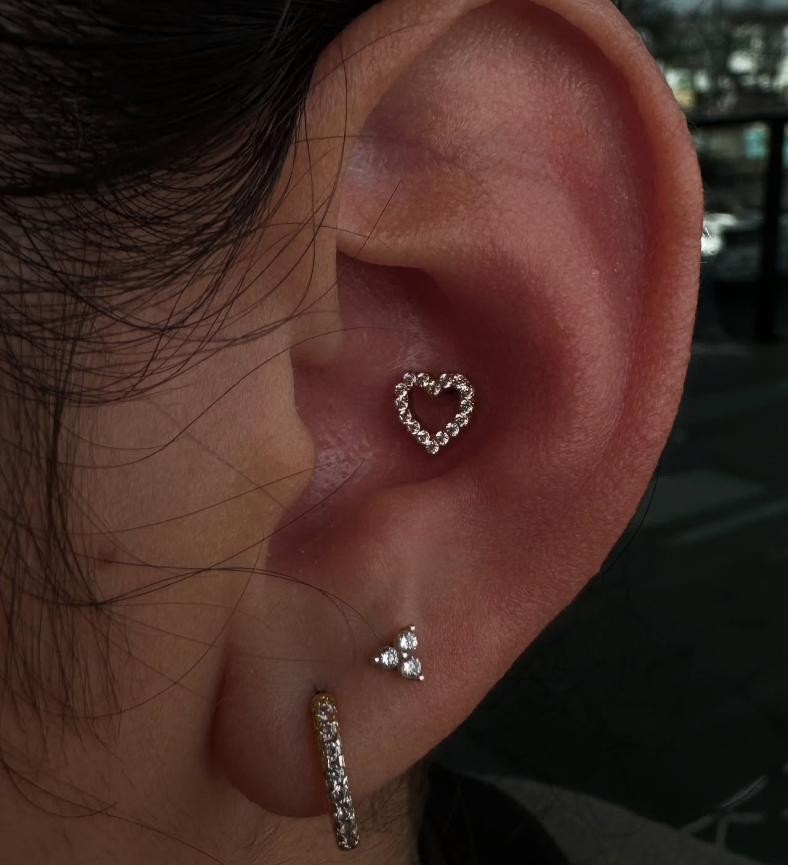

This is a masterpiece on skin