

How to Prepare for Your Tattoo or Piercing in San Antonio: The Essential Guide
- Final Touch Tattoo
- Mar 1
- 9 min read

Preparing for a tattoo or piercing is an important process that requires careful consideration and planning. In San Antonio, where body art is a popular form of self-expression, understanding the essential steps can enhance your experience and ensure safety. This article will guide you through the key preparation tips for tattoos and piercings, focusing on design considerations, legal requirements, anatomy, and consultation practices. By following these guidelines, you can minimize risks and maximize the quality of your body art. We will also explore aftercare instructions and how to choose the right professionals in San Antonio, ensuring a smooth journey from preparation to healing.

Author: Justin Herrera
Justin has been a tattoo and piercing client his whole adult life and a tattoo artist for the better part of a half decade. Justin has been a San Antonio resident and artist his whole life and brings a very unique perspective due to his lived experience.
What Are the Key Tattoo Preparation Tips for San Antonio Residents?
When preparing for a tattoo, several key tips can help ensure a positive experience. Beyond skin care and health practices, understanding the design process and legal requirements in Texas is crucial. Proper planning and consultation with your tattoo artist will help you achieve a tattoo that fits your body and style perfectly.
How Should You Approach Tattoo Design Based on Your Anatomy?
Designing a tattoo is not just about choosing an image; it’s about how that image fits and flows with your body’s unique shape. Here are some important design considerations:
Match Design Orientation to Body Part: For example, a landscape-style tattoo does not naturally fit on a forearm, which is more suited to portrait-style designs. Trying to force a landscape design onto a narrow, vertical area can lead to a cramped or distorted look.
Simplify Details for Small Areas: Small tattoo areas require simpler designs with less intricate detail to avoid blurring or loss of clarity over time.
Consider How the Design Wraps Around: Tattoos that wrap around limbs or other curved areas need to be planned carefully. When your arm or leg is at rest, the design should look natural and not awkward or disjointed.
Consult Your Artist: A skilled tattoo artist will help you adapt your design to your anatomy, ensuring the final piece complements your body’s contours.
Taking these factors into account will help you get a tattoo that looks great from every angle and ages well.
What Are the Legal Requirements for Tattoos in Texas?
In Texas, the law is very clear regarding tattooing minors:
Minimum Age Requirement: It is completely illegal to tattoo anyone under the age of 18. The exceptions revolve around coverups of gang or sexually explicit type of tattoos, along with gratuitous language. Check with your local shop as most will simply not want to deal with the exception of the law.
ID Verification: Tattoo studios in San Antonio require valid, unexpired government-issued identification at the time of your appointment. Leaving your ID at home or presenting an expired ID will result in denial of service.
These regulations are strictly enforced to protect minors and ensure responsible tattooing practices.
How Should You Care for Your Skin Before Getting a Tattoo?
Caring for your skin before getting a tattoo is crucial for achieving the best results. Here are some effective skin care practices:
Moisturize Regularly: Keeping your skin hydrated helps improve its elasticity and overall appearance, making it more receptive to tattoo ink.
Avoid Sun Exposure: Protect your skin from sunburn by avoiding direct sunlight and using sunscreen on exposed areas in the days leading up to your appointment.
Stay Hydrated: Drinking plenty of water helps maintain skin health and can improve the healing process post-tattoo.
These practices not only prepare your skin but also contribute to a more vibrant and long-lasting tattoo.
What Health and Hydration Practices Improve Tattoo Outcomes?
Maintaining good health and hydration is vital for optimal tattoo outcomes. Consider the following practices:
Drink Plenty of Water: Staying hydrated helps keep your skin plump and healthy, which can enhance the tattooing process.
Avoid Alcohol: Refraining from alcohol consumption at least 24 hours before your appointment can help prevent excessive bleeding during the procedure.
Consult with a Doctor: If you have any health concerns or are on medication, consult with a healthcare professional to ensure you are fit for the procedure.
By prioritizing your health and hydration, you can significantly improve the quality of your tattoo.
How Can You Safely Prepare for a Piercing in San Antonio?
Preparing for a piercing involves specific steps to ensure safety and comfort. Understanding the right jewelry choices, anatomy considerations, and legal requirements is essential for a successful piercing experience.
What Are the Legal Requirements for Piercing Minors in Texas?
Texas law requires specific documentation for minors seeking piercings:
Proof of Parental Rights: A parent or legal guardian must provide valid government-issued ID along with proof of guardianship, such as a birth certificate or court document.
Parental Presence: The parent or guardian must be present during the piercing procedure to give consent.
These requirements ensure that minors receive piercings only with proper legal consent and supervision.
How Does Anatomy Affect Piercing Options?
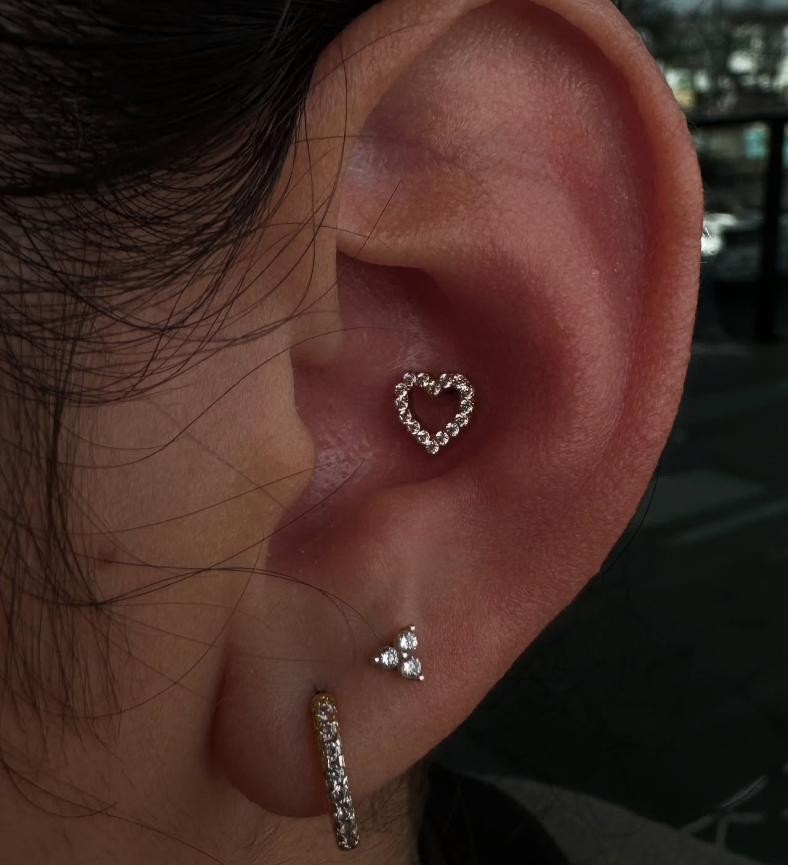
Not everyone’s anatomy is suited for every type of piercing. Understanding your body’s unique features can help you choose piercings that will heal well and look great. Consider the following:
Structural Suitability: Some piercings, like industrial or navel piercings, require specific anatomy to be safe and comfortable. For example, not everyone has the right ear shape or belly button structure for these piercings.
Consultation Is Key: A professional piercer can assess your anatomy during a consultation and advise you on which piercings are feasible and which might pose risks.
Planning Your Piercings: Understanding what is possible helps you plan your body art journey realistically and avoid disappointment or complications.
Scheduling a consultation before your piercing appointment is highly recommended to discuss your options and expectations.
Which Jewelry Choices Are Best for Piercing Preparation?
Choosing the right jewelry is crucial for a safe and successful piercing. Here are some recommendations:
Material Safety: Opt for hypoallergenic materials such as titanium or 14k or higher gold to minimize the risk of allergic reactions. DO NOT use "surgical steel" as that is a fake name used to trick clients. It is not hypoallergenic and 20% of humans are allergic to the nickel in it.
Jewelry Styles: Consider simple designs that allow for easy cleaning and maintenance, such as studs or hoops.
Consult with the Piercer: Discuss your options with your piercer to ensure you select the best jewelry for your specific piercing.
Selecting appropriate jewelry can help prevent complications and promote healing.
What Hygiene Steps Should You Follow Before Piercing?
Maintaining proper hygiene is essential before getting a piercing. Follow these steps:
Clean the Area: Use an appropriate antiseptic solution to clean the area where the piercing will occur, reducing the risk of infection.
Avoid Certain Products: Steer clear of lotions, oils, or perfumes on the day of your appointment, as these can interfere with the piercing process.
Consult with the Piercer: Discuss any concerns with your piercer, who can provide personalized advice on hygiene practices.
By adhering to these hygiene steps, you can ensure a safer piercing experience.
What Local San Antonio Body Art Regulations Affect Tattoo and Piercing Preparation?
Understanding local regulations is crucial for anyone considering body art in San Antonio. These regulations help ensure safety and quality in tattooing and piercing practices.
How Do San Antonio Health and Safety Standards Impact Your Procedure?
San Antonio follows Texas state health and safety regulations that impact tattoo and piercing procedures. These include:
Health Inspections: Tattoo and piercing studios are subject to regular health inspections by local health authorities to ensure compliance with safety regulations.
Safety Protocols: Studios must follow strict protocols regarding sterilization and equipment handling to minimize infection risks.
Licensing Requirements: All tattoo artists and piercers must be licensed according to Texas state law, ensuring they have met the necessary training and safety standards.
These regulations help protect clients and ensure a safe environment for body art.
Indeed, the importance of these regulations is underscored by studies emphasizing the role of licensing and training in public health.
Tattoo Artist Licensing & Health Regulations There were 5 health policy related items evaluated: 1) tattoo artists should be licensed, 2) tattoo artists need training on bloodborne pathogens and communicable diseases, 3) tattoo regulations help prevent infectious diseases, 4) tattoo laws and regulations are enforced in my area, and 5) tattoo establishments should be licensed. Evaluation of tattoo artists' perceptions of tattoo regulations in the United States, 2016
Where Can You Find Licensed Tattoo Studios and Piercing Shops in San Antonio?
Finding licensed professionals is essential for safe body art. Here are some tips:
Online Directories: Use online resources or the City of San Antonio's official health department website to find licensed tattoo studios and piercing shops.
Local Recommendations: Ask friends or family for recommendations based on their experiences.
Checking Licenses: Always verify that the studios are licensed and in good standing with local health authorities.
By following these steps, you can ensure that you choose a reputable professional for your body art.
What Are the Essential Aftercare Instructions for Tattoos and Piercings in San Antonio?
Aftercare is a critical component of the tattoo and piercing process, as it directly impacts healing and the final appearance of your body art. Proper aftercare can prevent infections and ensure that your tattoo or piercing heals beautifully.
Which Aftercare Products Are Recommended for Optimal Healing?
Using the right aftercare products is essential for healing. Recommended products include:
Antibacterial Ointments: These can help prevent infections during the initial healing phase.
Moisturizers: Keeping the tattooed or pierced area moisturized promotes healing and prevents dryness. Only use scentless lotions.
Non-alcoholic Cleansers: Use gentle, non-alcoholic cleansers to clean the area without causing irritation.
These products can significantly enhance the healing process and the overall appearance of your body art.
How Long Does Healing Take and What Are Common Care Practices?
Healing times can vary based on the type of body art. Here are some general guidelines:
Tattoo Healing Time: Tattoos typically take 2-3 weeks to heal on the surface, but complete healing can take several months (up to 6 months) depending on size and placement.
Piercing Healing Time: Piercings can take anywhere from 6-12 weeks to heal, depending on the location and type of piercing.
Common Care Practices: Regularly clean the area with recommended products, avoid swimming in pools or hot tubs, and refrain from touching or rotating the jewelry unnecessarily.
Understanding these timelines and care practices can help you manage your expectations and ensure a smooth healing process.
How Do You Choose the Right Tattoo Artist and Piercing Studio in San Antonio?
Selecting the right tattoo artist and piercing studio is crucial for a successful experience. Here are some tips to help you make an informed choice.
What Criteria Should You Use to Evaluate San Antonio Tattoo Artists?
When evaluating tattoo artists, consider the following criteria:
Experience and Portfolio: Review the artist's portfolio to assess their style and experience.
Hygiene Practices: Ensure the studio follows strict hygiene protocols to minimize infection risks.
Client Reviews: Look for reviews and testimonials from previous clients to gauge satisfaction levels.
These criteria can help you find a skilled and reputable artist for your tattoo.
How Can Personalized Consultations Enhance Your Body Art Experience?
Personalized consultations can significantly enhance your body art experience. Here’s how:
Understanding Client Needs: A consultation allows the artist or piercer to understand your vision and preferences.
Artist-Client Communication: Open communication fosters trust and ensures that your expectations are met.
Tailoring the Experience: Professionals can provide personalized advice on design, placement, and aftercare based on your specific needs and anatomy.
Engaging in a consultation can lead to a more satisfying and successful body art experience.
What Are the Most Common Questions About Tattoo and Piercing Preparation in San Antonio?
Addressing common questions can help alleviate concerns and prepare you for your tattoo or piercing appointment. Here are some frequently asked questions.
How Do You Avoid Risks and Ensure Safety Before Your Appointment?
To avoid risks and ensure safety, consider the following tips:
Avoid Certain Activities: Refrain from consuming alcohol or drugs before your appointment, as these can affect your body's response to the procedure.
Health Checks: Consult with a healthcare professional if you have any underlying health conditions that may affect your ability to get a tattoo or piercing.
Consulting with Professionals: Always discuss any concerns with your tattoo artist or piercer before the procedure.
By following these precautions, you can minimize risks and ensure a safe experience.
It's important to be aware that despite precautions, body art procedures can sometimes lead to complications, as highlighted by recent research.
Tattoo Health Risks & Medical Complications Research indicates that up to 67% of individuals with tattoos experience complications, with infections, allergic reactions, and scarring being common concerns. Moreover, tattoos can exacerbate existing medical conditions, particularly in individuals with diabetes, heart conditions, or immunosuppressive disorders. Individuals who are pregnant or breastfeeding face additional risks due to physiological changes affecting wound healing and immune response. Medical and societal implications of tattoos: From ancient traditions to modern risks and removal challenges, NA Kerna, 2024
What Should You Avoid Before Getting a Tattoo or Piercing?
Certain activities should be avoided before your appointment to ensure safety:
Alcohol and Drugs: Avoid consuming alcohol or recreational drugs, as they can thin your blood and increase bleeding.
Certain Medications: Consult with your doctor about any medications that may affect your procedure, such as blood thinners.
Sun Exposure: Avoid sunburn on the area to be tattooed or pierced, as this can complicate the process.
By steering clear of these activities, you can help ensure a smoother and safer experience.


Comments